How we work
Our collaborative approach to creating lasting impact
We design around the specific needs of the communities we serve, which means finding out what those are first rather than assuming them.
Comprehensive needs assessment
We engage directly with medical students, medically disadvantaged elderly people, healthcare professionals and community organisations before designing anything.
That means weighing socioeconomic disparity, geography, cultural sensitivities and systemic barriers — the things that decide whether help actually reaches someone.

Collaboration and partnerships
We work with healthcare organisations, academic institutions and community groups rather than around them, because a programme that duplicates existing provision helps nobody.
It also means diverse perspectives are in the room when decisions get made, rather than consulted afterwards.
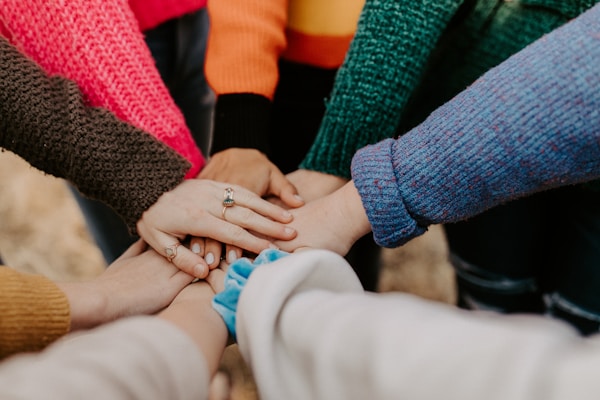
Volunteer engagement
Volunteers do the work, not the admin around it — mentoring, hospital visits, clinic support. We engage people who share the aim and will commit real time to it.
In return they get training, skill development and a route into a network of people doing the same thing.

Advocacy and awareness
We argue for the needs of medical students and medically disadvantaged elderly people — through awareness campaigns, published research and work with policymakers — because some of what stops people getting care is not fixable one person at a time.
